What Are the Core Components of Commercial Property Landscaping?
Commercial property landscaping blends natural and constructed elements to design outdoor environments that are both beautiful and practical. The fundamental elements that make up these landscapes include:
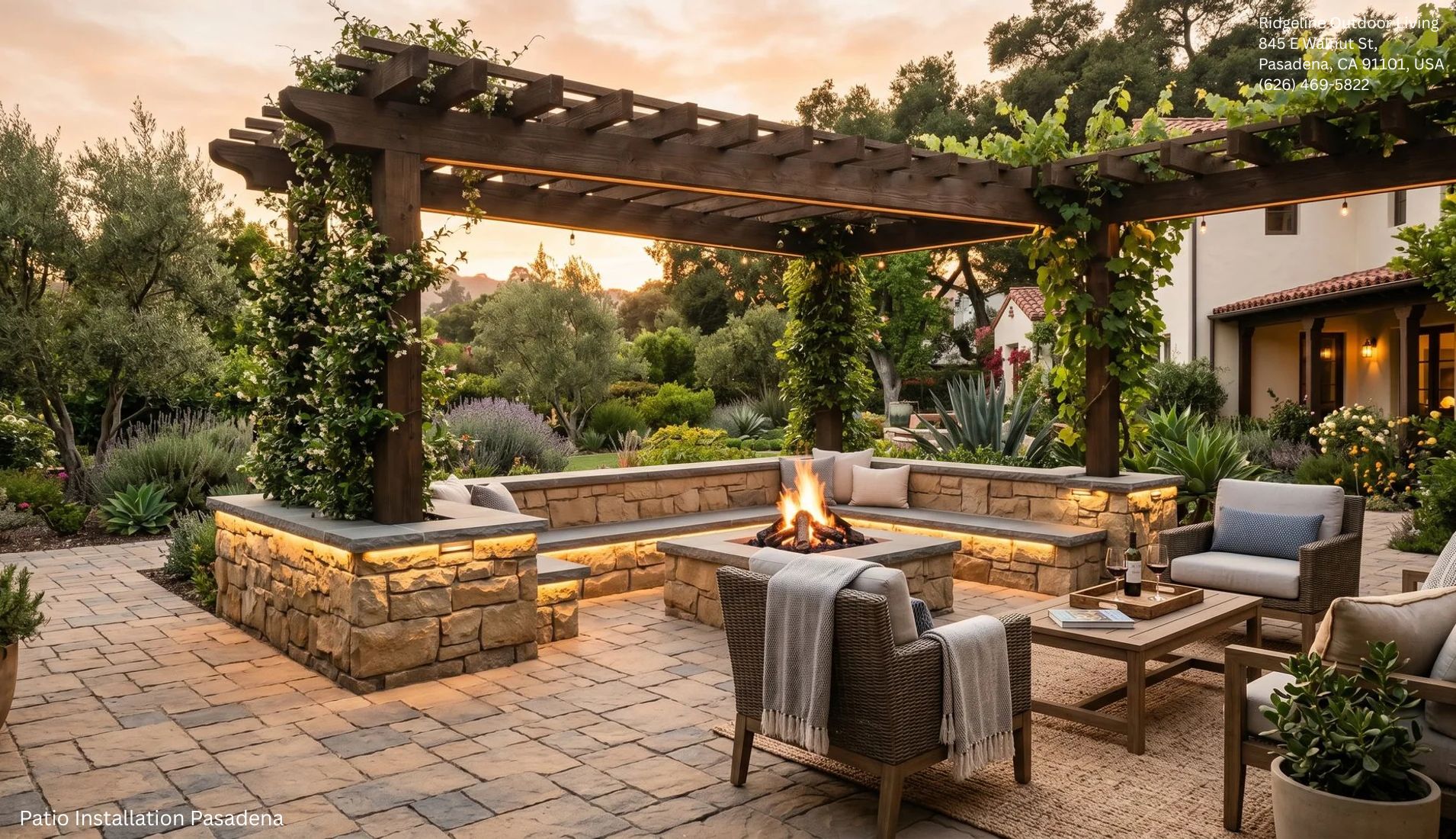
- Hardscaping: This encompasses all non-living structural features such as retaining walls, patios, walkways, and pathways crafted from materials like stone, concrete, or permeable pavers. Hardscaping provides functional design elements that control landscape grading and erosion while offering durable surfaces for pedestrian use. Plant Selection: Choosing the right combination of trees, shrubs, ground cover, and seasonal flowers—including native plants and perennials—is essential to ensure year-round visual interest and environmental compatibility. Turfgrass and Lawn Maintenance: Healthy turf areas form a lush base for commercial landscapes. Proper soil preparation, sod installation, fertilization, weed control, and routine lawn maintenance keep turfgrass vibrant and resilient. Soil Preparation and Mulch Application: Preparing soil with quality topsoil and amendments ensures robust plant growth. Mulch beds help retain moisture, suppress weeds, and reduce soil erosion, supporting the overall landscape upkeep.
Together, these core components create a cohesive landscape that balances exterior aesthetics with sod installation pasadena sustainable function.
How Does Irrigation and Drainage Impact Commercial Landscaping?
Effective irrigation and drainage systems are pivotal in preserving landscape health and preventing water-related damage to commercial properties. These two aspects work hand-in-hand to manage water efficiently:
- Irrigation Systems: Automated sprinkler systems and drip irrigation deliver precise watering schedules that minimize wastage. Efficient irrigation supports sustainability by conserving water resources while maintaining healthy plant growth. Drainage Solutions: Proper landscape grading combined with bio-retention basins and permeable surfaces controls stormwater runoff, reducing risks of flooding and soil erosion across the property. Erosion Control: Techniques including retaining walls, strategic ground cover planting, and the installation of landscape fabric help stabilize soil on slopes or vulnerable areas, preserving the integrity of the landscape.
Implementing these irrigation and drainage strategies safeguards plant vitality and protects infrastructure investment over time.
What Role Do Hardscape Features Play in Commercial Landscaping?
Hardscape features form the structural foundation of commercial landscapes, combining utility with design. They enhance usability and contribute significantly to exterior aesthetics:
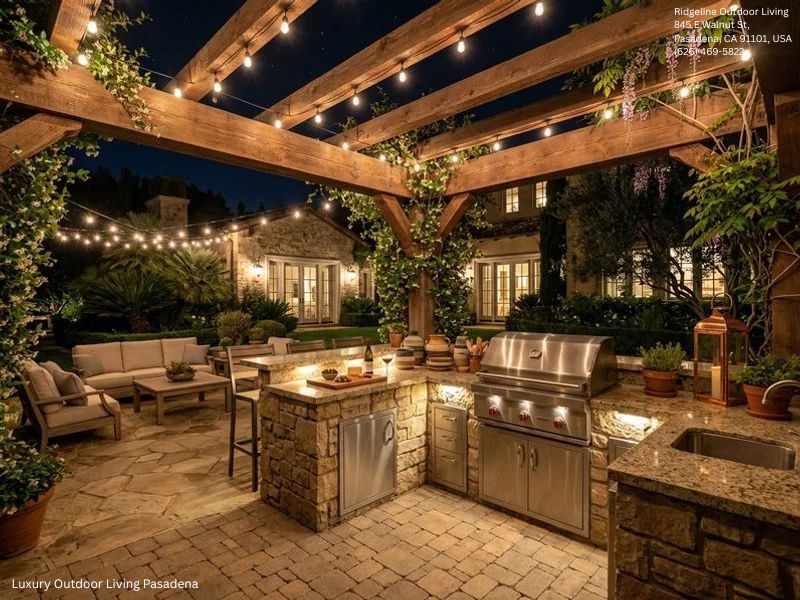
- Retaining Walls: Essential for managing elevation differences, these walls prevent soil erosion and create terraced planting opportunities. Walkways and Pathways: Constructed from durable materials, these guide pedestrian movement and connect different zones of a property safely and efficiently. Edging Materials and Decorative Stones: These define planting beds, add texture, and create visual contrast that elevates the garden design. Outdoor Furniture and Structures: Benches, arbors, trellises, and rock gardens enhance both the functional and decorative aspects, providing comfortable gathering spots and focal points within the landscape.
Collectively, these hardscape elements balance natural plantings with built structures, creating inviting and versatile commercial outdoor spaces.
How Does Plant Selection Influence the Success of Commercial Landscaping?
Choosing the appropriate plant species is critical to achieving both aesthetic goals and sustainability in commercial property landscaping. The right plant palette ensures durability, reduces maintenance, and supports environmental health:
- Native Plants: Adapted to local climate and soil conditions, native species demand less irrigation and pest management, while fostering local wildlife habitats. Trees and Shrubs: Trees provide shade and privacy screening, while shrubs add architectural structure and soften hardscape edges. Seasonal Flowers: Utilizing annuals and perennials introduces vibrant colors and seasonal interest, enhancing curb appeal throughout the year. Ground Cover: Ground covers stabilize soil, suppress weeds, and lower maintenance needs by limiting exposed turfgrass areas.
A thoughtfully curated plant selection advances sustainability efforts and dramatically improves the professional image of commercial properties.
What Maintenance Practices Are Vital for Commercial Property Landscaping?
Regular landscape upkeep is indispensable for prolonging the life and appearance of commercial landscapes. Key maintenance tasks include:
- Lawn Maintenance: Routine activities such as mowing, fertilization, aeration, and weed control ensure resilient and visually appealing turfgrass. Pest Management: Employing integrated pest management techniques helps safeguard plants against pests and diseases while minimizing environmental impact. Mulch Beds and Composting: Mulching aids in moisture retention and temperature regulation, while composting converts organic waste into nutrient-rich soil amendments beneficial for plant health. Landscape Renovation: Periodic refreshes involving plant replacement, hardscape repairs, and irrigation system updates adapt the landscape to evolving aesthetic trends and property needs.
Consistent maintenance maximizes landscape longevity, functionality, and tenant satisfaction.
What Sustainable Practices Can Be Integrated into Commercial Landscaping?
Sustainability plays a growing role in commercial landscaping by promoting environmental stewardship and operational efficiency:
- Permeable Pavers: These surfaces allow stormwater infiltration, reducing runoff and facilitating groundwater recharge, thus preventing flooding. Bio-Retention Areas: Natural depressions or rain gardens collect and filter stormwater, improving water quality and controlling erosion. Water Conservation: Incorporating drought-tolerant plants, smart irrigation systems, and rainwater harvesting techniques minimizes water usage without compromising landscape health. Green Spaces: Integrating habitat-friendly zones enhances urban biodiversity, improves air quality, and enriches exterior aesthetics.
Adopting these environmental design principles can lead to significant cost savings and fulfill corporate social responsibility goals.
How Does Landscape Lighting Enhance Commercial Properties?
Strategic lighting installation extends the usability and attractiveness of commercial landscapes beyond daylight hours. Its benefits include:
- Functional Lighting: Illuminates walkways, parking lots, and building entrances to enhance safety and accessibility. Accent Lighting: Highlights architectural features, trees, water features, and garden elements to create visual interest and ambiance. Outdoor Signage Lighting: Enhances brand visibility and guides visitors, contributing to effective wayfinding after dark.
Proper landscape lighting not only boosts safety but also strengthens the overall exterior aesthetics, improving customer and tenant experience.
Additional Insights on Commercial Property Landscaping
The Role of Landscape Architecture in Commercial Properties
Professional landscape architects integrate creativity, functionality, and sustainability to design cohesive commercial landscapes. Their expertise ensures optimal site planning, environmental compliance, and aesthetic harmony tailored to each property's unique requirements.
Cost Considerations and Budgeting for Commercial Landscaping Projects
Budgeting involves balancing upfront installation costs with long-term maintenance expenses. Investing in durable materials, native plants, and efficient irrigation systems can increase ROI by lowering upkeep costs and enhancing property appeal.
Case Studies: Successful Commercial Landscaping Projects
Real-world examples showcase how thoughtful garden design and diligent landscape upkeep have transformed commercial sites—improving tenant satisfaction, environmental impact, and property value while addressing challenges like soil erosion and water management.
Technology Trends in Commercial Landscaping
Emerging technologies such as smart irrigation systems, landscape management software, and drone-based monitoring streamline operations, optimize resource use, and enable proactive landscape maintenance strategies.
Compliance and Regulatory Considerations
Landscape projects must adhere to local ordinances, environmental regulations, and accessibility standards, ensuring legal compliance and safety while contributing to sustainable and inclusive exterior aesthetics.
Frequently Asked Questions (FAQ)
What is the difference between hardscaping and softscaping in commercial landscaping?
Hardscaping refers to the man-made structural elements like retaining walls, walkways, and patios, while softscaping includes living materials such as trees, shrubs, turfgrass, and flowers that constitute the greenery.
Why is native plant selection important for commercial properties?
Native plants are acclimated to the local environment, requiring less water and maintenance. They support local wildlife, improve sustainability, and tend to be more resilient to pests and weather extremes.
How often should commercial landscaping be maintained?
Maintenance frequency varies by climate and plant types but typically involves weekly lawn care, seasonal plant inspections, routine fertilization, pest management, and annual assessments for irrigation and hardscape condition.
Can commercial landscaping improve property value?
Yes, professionally designed and properly maintained commercial landscapes enhance curb appeal, attract tenants and customers, and often increase the overall market value of a property.
What sustainable features are most effective in commercial landscaping?
Permeable pavements, efficient irrigation systems, bio-retention areas, and planted native species are among the most effective sustainable features, promoting water conservation and ecological balance.
How does landscape lighting contribute to security?
By illuminating pathways, entrances, and parking areas, landscape lighting improves nighttime visibility, deters vandalism, and guides safe pedestrian movement around commercial premises.
In conclusion, commercial property landscaping is a multifaceted discipline blending hardscaping, plant selection, water management, lighting, and maintenance practices to create attractive, sustainable, and functional outdoor spaces. By understanding and integrating these components thoughtfully, property managers and owners can boost aesthetic appeal, support environmental goals, and increase property value effectively. Explore partnering with professional landscape architects and contractors to design and maintain your commercial landscape for long-term success.